
When does someone need detox? The short answer is this: detox is needed when stopping alcohol or drugs could trigger withdrawal that is unsafe, medically risky, or too overwhelming to manage alone. For families, that distinction matters a lot, because the issue is not simply that a loved one wants to quit, it is that their body may no longer handle quitting without help.
When detox is more than “wanting to quit”
Detox is the medically supervised process of helping someone safely stop alcohol or drugs when withdrawal is expected or has already started. Think of it as the stabilization phase. It is there to protect the brain and body while the substance leaves the system.
That matters because detox is about safety, not punishment, and not proof that someone has “hit rock bottom.” A person can absolutely need detox before they are ready to admit how serious things have become. In some cases, especially with alcohol and benzodiazepines, trying to stop suddenly can become dangerous fast.
Families often assume detox is the first step for everyone with a substance problem. Sometimes it is. Sometimes it is not. The key question is simpler: if this person stops, are they likely to go into withdrawal, get sick, or face medical danger?
The short answer to “when does someone need detox?”
Someone may need detox if they get withdrawal symptoms when they cut back, cannot stop without feeling physically or emotionally unwell, have used heavily for a long time, or have a history of severe withdrawal, relapse, seizures, hallucinations, or other medical complications.
With alcohol, this can become urgent quickly. Research shows alcohol withdrawal syndrome can begin within 6 to 8 hours, peak at 72 hours, and usually diminish by 5 to 7 days, which is why “we’ll just watch them at home” is often a bad plan. Good news, there is a safer path, and getting evaluated early usually makes the process smoother.

The warning signs that often mean detox is needed
There is rarely one perfect sign. More often, families notice a pattern: someone tries to stop, gets sick, starts using again to feel better, then repeats the cycle. That is not a lack of effort. It is often physical dependence.
A single symptom can matter, but clusters of symptoms matter more. If you are seeing physical withdrawal, rising tolerance, failed attempts to quit, and use that starts early in the day, the odds are high that professional detox should at least be evaluated.
They feel sick when they try to stop
This is one of the clearest warning signs. If someone becomes shaky, sweaty, nauseated, anxious, restless, irritable, or unable to sleep when they stop using, that points to withdrawal. A racing heart, vomiting, headache, and a sense of panic can show up too.
With alcohol, these symptoms may begin sooner than families expect. Studies show up to 50% of patients with alcohol use disorder experience alcohol withdrawal syndrome after decreasing alcohol use. That means “they only get sick when they stop” is not reassuring. It is often the problem.
Their tolerance keeps rising
Tolerance means the person needs more of the substance to get the same effect they used to get with less. More drinks to relax. More pills to sleep. Stronger drugs, or more frequent use, just to feel normal.
That usually signals the body has adapted to the substance. And once the body adapts, stopping can trigger withdrawal. Honestly, rising tolerance is one of the signs families miss because it can look gradual from the outside. But it often points to increasing physical dependence and a rougher withdrawal process.
They have intense cravings or can’t get through the day without using
Cravings are not just “wanting it.” They can feel like a body-level pull, a kind of internal alarm. If someone needs a drink in the morning, uses pills to steady their nerves, or disappears regularly to use just to function, that suggests dependence.
Many people start using not to get high, but to stop feeling bad. That shift matters. Once a person is using to feel normal, rather than to feel different, detox becomes much more likely to be part of the right treatment plan.
They’ve tried to quit before, but withdrawal or relapse keeps pulling them back
Repeated failed attempts are not proof that recovery will not work. They usually mean the person needs more support than willpower alone can provide. If every attempt to stop leads to shaking, vomiting, panic, insomnia, or a quick return to use, detox may be the bridge that helps them actually get started.
This is also where families often get stuck. They want to help, but they are not sure how to move from fear to action. A practical next step is learning the basics of helping a loved one accept treatment, especially when withdrawal keeps derailing every attempt.
Signs that call for urgent or emergency help
Some symptoms mean “call a program today.” Others mean “go to the ER or call 911 right now.” Families need that distinction.
Severe withdrawal is a medical emergency, especially with alcohol, benzodiazepines, or multiple substances. If you wait for it to “settle down,” you may lose precious time.
Severe alcohol withdrawal symptoms you should not watch at home
Do not try to monitor severe alcohol withdrawal at home if the person has hallucinations, confusion, seizures, severe vomiting, chest pain, fever, extreme agitation, or signs of delirium tremens. Delirium tremens, often called DTs, can include severe confusion, agitation, sweating, tremor, and changes in blood pressure or heart rate.
Research shows delirium tremens can occur in up to 5% of patients with alcohol withdrawal syndrome, and about 10% of symptomatic alcohol withdrawal patients may experience withdrawal-related seizures. Those are not rare enough to dismiss.
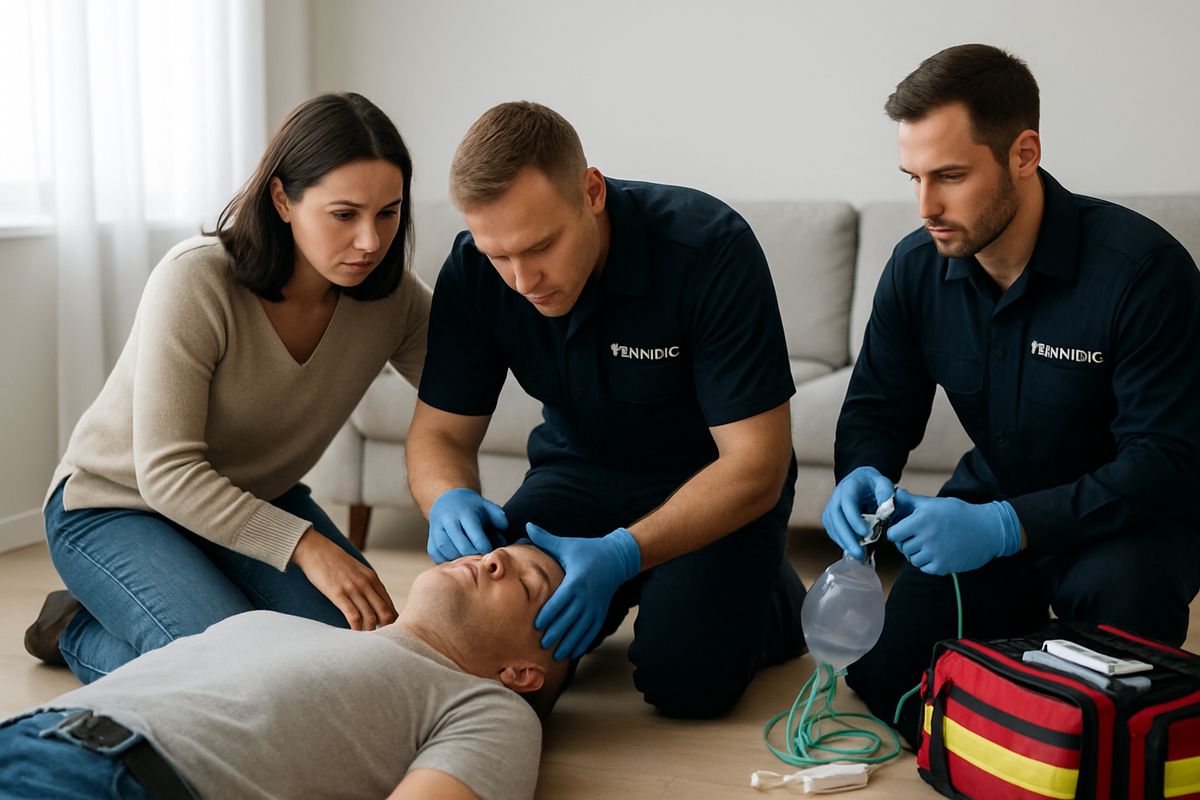
If the person is unconscious, having a seizure, struggling to breathe, or showing chest pain or severe confusion, get emergency care immediately. If opioid use may be involved and there are overdose signs such as cold, clammy skin, slowed breathing, pinpoint pupils, or unconsciousness, call 911 right away. In that moment, safety comes before privacy.
When opioids, benzodiazepines, or multiple substances raise the risk
Opioid withdrawal is often not as medically dangerous as severe alcohol or benzodiazepine withdrawal, but it can still be intense, destabilizing, and risky. People can become dehydrated, desperate, and much more likely to relapse. That relapse can be deadly, especially in a fentanyl-heavy drug supply.
Benzodiazepine withdrawal is different. It can be dangerous, and seizures are a real concern. The same goes for a person using alcohol plus benzodiazepines, or opioids plus sedatives. Once more than one substance is involved, predicting withdrawal becomes harder, and home management becomes a much worse bet.
Here is the bigger picture: 75.6% of overdose deaths in 2023 were opioid-related, and while national overdose deaths fell nearly 24% in the 12 months ending September 2024, fentanyl remains highly unpredictable. That is one reason professional assessment matters so much.
Why alcohol detox deserves special attention
Alcohol gets its own section for a reason. Families often underestimate it because drinking is socially accepted, easy to hide, and easy to normalize. But alcohol withdrawal is one of the clearest examples of when medically supervised detox may be necessary.
That is not alarmism. It is standard medical thinking. ASAM says withdrawal management is intended for patients experiencing alcohol withdrawal syndrome, and the entire topic is guided by formal clinical practice standards because complications can escalate quickly.
How alcohol withdrawal can escalate quickly
Alcohol withdrawal can fool families because the person may look uncomfortable but stable at first. Then things worsen. A person may start with anxiety, tremor, sweating, nausea, and insomnia. Later, they may become disoriented, agitated, or hallucinate. Seizures can occur. Severe confusion can follow.
The most dangerous stretch is often the first two to three days. Research shows the most dangerous withdrawal period is the first 48 to 72 hours after stopping or sharply reducing alcohol. So if someone seems “fine enough” on day one, that does not mean they are in the clear.
Who is at higher risk for dangerous alcohol withdrawal
Risk climbs when someone drinks heavily every day, has been through detox before, is older, dehydrated, poorly nourished, has liver disease, has a history of seizures, or has co-occurring mental health or medical conditions. Pregnancy and recent benzodiazepine misuse also raise concern.
Clinical guidance notes that severe alcohol withdrawal should be prioritized for inpatient detoxification when there is a history of delirium tremens, withdrawal seizures, pregnancy, significant physical illness, major mental health problems, or repeated failed community detox attempts. In plain language, if there is any serious complication in the history, do not improvise this at home.
Detox is the first step, not the whole treatment plan
Detox can save a life, but it does not fix the addiction by itself. That is the part many families are not told clearly enough.
A person may complete detox and feel physically better within days. But the cravings, habits, triggers, trauma, depression, anxiety, and relapse risk do not disappear just because withdrawal ended.
What detox can do
Detox can provide medical monitoring, symptom relief, medications, hydration, sleep support, and a safer place to stabilize. For alcohol withdrawal, medication may be used to reduce the chance of seizures or other complications. For opioid withdrawal, medications can ease the misery and help lower immediate relapse risk.
Good news, this often makes the person much more willing to continue treatment. SAMHSA says medication for substance use disorder can reduce cravings, ease withdrawal, and support long-term recovery. Comfort matters because people stay in care longer when they are not suffering through the first phase.
What happens after detox matters just as much
After detox, the next step might be residential treatment, outpatient care, therapy, medication-assisted treatment, relapse-prevention planning, psychiatric support, or family work. The right choice depends on the person, not a one-size-fits-all template.
That said, detox without follow-up is a setup for relapse. ASAM states alcohol withdrawal management is not an effective treatment for alcohol use disorder by itself. And modern addiction care has shifted away from short-term detox stays toward long-term, evidence-based management. Detox opens the door. Ongoing treatment is what helps keep it open.
Can someone detox at home, or is professional care safer?
Families ask this because they are trying to balance fear, privacy, cost, and logistics. That is understandable. But safety has to lead the decision.
For suspected alcohol withdrawal, home detox is not something to wing without medical guidance. The same caution applies when benzodiazepines are involved, or when there is a complicated health or psychiatric picture.
When home detox is a bad idea
Home detox is a bad idea if there is alcohol use, benzodiazepine use, a history of seizures, hallucinations, suicidal thoughts, pregnancy, serious medical problems, or very little support at home. It is also a poor choice if the person has tried and failed to quit repeatedly, or if they tend to leave treatment plans the moment symptoms get worse.
If the person is highly defensive or unstable, families sometimes try to “just keep an eye on them” to avoid conflict. But there are better ways to approach that tension. Learning how to bring up treatment without escalating the argument can make it easier to move toward care while protecting dignity.
What inpatient and outpatient detox actually look like
Inpatient detox usually means 24-hour monitoring in a residential or hospital-based setting. It is often the better fit for higher-risk withdrawal, co-occurring mental health needs, unstable housing, prior severe withdrawal, or a strong need for privacy and structure.
Outpatient detox means the person is evaluated regularly, may receive medication and check-ins, but returns home between visits. ASAM’s guideline applies to both ambulatory and inpatient care, which means the right setting depends on severity and risk. Lower-risk cases may do well outpatient. Higher-risk cases usually should not.
How to tell the difference between needing detox and needing another level of care
This is where families get confused, and honestly, the language does not help. Detox is about withdrawal risk. Treatment level is broader. It includes relapse risk, mental health, medical needs, safety, motivation, functioning, and home stability.
So yes, someone can need treatment even if detox is not required.
Someone may need treatment even if they don’t need detox
A person might not shake, vomit, or hallucinate when they stop, but still clearly need rehab, therapy, medication support, or structured addiction treatment. Maybe they binge for days, blackout, disappear from work, mix substances, drive impaired, or relapse over and over after periods of abstinence. That can still be serious, even without strong withdrawal.
If you are trying to sort out the broader picture, it helps to look at the patterns that often show someone needs a higher level of care. Detox is one piece of the puzzle, not the whole picture.
A professional assessment is the safest next step
A proper assessment looks at the substance involved, how much the person uses, how often, when they last used, whether they have had withdrawal before, what medical issues are present, and whether there are psychiatric or safety concerns.
That assessment matters because there is no one-size-fits-all solution for substance use disorder treatment. The safest next step is not self-diagnosis. It is getting the person evaluated by professionals who can determine whether detox is needed, and if so, what setting makes sense.
How to help a loved one take the next step
Families usually arrive here exhausted. They have tried being patient, firm, kind, logical, and angry. Nothing seems to work for long. That does not mean you have failed.
SAMHSA recommends that friends, family, and loved ones encourage people with substance use conditions to seek appropriate treatment and recovery support services. Gentle, specific, calm action tends to work better than threats or debates.
What to say if you’re worried about withdrawal
Start with what you have seen. “I noticed you get shaky and sick when you stop drinking.” “I’m worried your body is reacting, and I don’t think this is safe to handle alone.” “I’m not trying to judge you, I want to help you get checked out.”
That approach lands better than labels. Keep the focus on safety, not morality. Pick a relatively calm moment, protect privacy, and avoid arguing about whether they are “really an addict.” If the person resists, a guide on moving someone toward rehab without turning it into a fight can help you stay effective and calm.
What information to gather before calling a detox program
Before you call, gather the basics. You do not need a perfect timeline, but the more accurate the information, the better. Try to know the substances used, how much, how often, the last use, past withdrawal symptoms, seizure history, current medications, mental health concerns, medical conditions, and recent hospital visits.
Insurance matters too. If the person has private insurance, confirm the plan type and have the card ready. PPO details, subscriber information, and any prior treatment history can speed up verification. The catch is that insurance red tape, including prior authorization requirements, can delay access to life-saving medications and treatment, so checking benefits early is worth the effort.

Common questions families ask about detox
Families tend to circle around the same fears: Does this mean it is severe? How long will it take? Is it going to be miserable? Will insurance actually help? Those are fair questions, and the answers are more reassuring when they are honest.
Does needing detox mean the addiction is “severe”?
Not necessarily. It means withdrawal risk is present. That is a medical issue, not a moral verdict.
A person can need detox because their body has become dependent, even if they still have a job, a family, or long stretches where they “seem fine.” Needing detox does not mean they are beyond help. If anything, it means the body is asking for a safer starting point.
How long does detox usually last?
It depends on the substance, the person’s health, and how intense withdrawal becomes. In broad terms, many detox stays last several days. Alcohol withdrawal often starts early, peaks around day three, and if it does not become severe, often improves within five to seven days.
Some detox plans are shorter, some longer. The goal is not to hit an arbitrary number of days. It is to get the person stable enough to move safely into the next phase of care.
Is detox painful or dangerous?
Withdrawal can be uncomfortable, and in some cases dangerous. That is the honest answer. But professional detox can make it far safer and far more manageable.
Symptoms can often be treated. Fluids can help. Sleep can improve. Medications may reduce agitation, cravings, or seizure risk depending on the substance involved. People do not need to “tough it out” to deserve recovery.
Will insurance cover detox?
Private insurance often covers detox, but coverage varies by plan, medical necessity criteria, network status, and preauthorization rules. PPO plans may offer more flexibility, especially for people willing to travel for care, but verification still matters.
It is smart to check benefits before admission when possible. Even when coverage exists, approvals and requirements can affect timing. That should not stop you from acting in an emergency, but it does mean a quick insurance review can save time when the person is ready.
What to do right now if you think someone needs detox
If your loved one gets shaky, sweaty, nauseated, anxious, sleepless, or panicked when they stop using, take that seriously. If they have hallucinations, seizures, severe confusion, chest pain, slowed breathing, or extreme agitation, seek emergency care immediately.
If the symptoms are not yet severe, do not wait for a crisis to “prove” they need help. Reach out for a professional assessment now. Detox is often the safest first move when withdrawal risk is on the table, and the earlier that risk is evaluated, the more options you usually have. Quiet, timely action can change the whole trajectory, and that is often how recovery begins.
References
- annemergmed.com
- drugabusestatistics.org
- matreatment.com
- asam.org
- onlinelibrary.wiley.com
- samhsa.gov