
If you’re wondering what happens after detox, the short answer is this: detox gets you through withdrawal, but recovery starts with what you do next. The first few days after detox matter a lot, and a clear plan can make the difference between stabilizing and sliding back into the same cycle.
What detox does, and what it does not do
Detox helps your body clear alcohol or drugs and gets you through withdrawal as safely as possible. That matters, especially because alcohol and benzodiazepine withdrawal can be dangerous, and in some cases life-threatening, without medical supervision. But detox does not fix the reasons substance use took hold in the first place.
That gap is where many people get tripped up. You may feel physically better after a few days, which can create the false sense that the problem is over. It usually is not. As one treatment source puts it, after detox, the next step is structured addiction treatment because detox alone does not address the behavioral and emotional drivers of substance use recovery.
The data points in the same direction. Research summaries consistently report that relapse rates for substance use disorders are about 40% to 60% early in recovery, but drop to less than 15% after five years of continuous sobriety. That does not mean recovery is hopeless. It means early recovery needs support, structure, and time.
A better way to think about detox is this: it treats the immediate medical problem, not the full condition. If you have been comparing detox and the treatment that follows, that distinction is the heart of it.

What you’ll need before choosing your next step
Before you decide on residential treatment, PHP, IOP, or outpatient care, get the practical pieces in one place. Good news, this is easier than it sounds. You are not trying to solve your whole future in one afternoon. You are making sure the next provider has what they need and that you can move quickly.
Speed matters here. The risk of backing out, delaying care, or returning to an unsafe environment often rises in the first days after discharge. One source notes that fear and hesitation can interfere with post-detox treatment entry, which is exactly why decisions made while support is still active tend to go better.
Your discharge plan and clinical recommendations
Leave detox with a copy of your discharge paperwork, diagnoses, medication list, and the clinician’s recommendation for next level of care. If they are advising residential treatment, ask why. If they suggest PHP or IOP, ask what would make a higher level of care necessary.
Be direct if anything is vague. Ask what medications you should keep taking, what symptoms are still expected, what symptoms are not normal, and who to call if things change. You should also know whether your withdrawal risk is fully resolved or still needs monitoring, especially after alcohol or benzodiazepine use.
A good discharge plan should feel specific, not generic. It should tell you where you’re going next, when the admission or assessment should happen, and what support is needed during the handoff.
Insurance, travel, and privacy preferences
If you have a PPO plan, confirm benefits right away. Ask whether the next program is in-network, whether out-of-network benefits are available, what your deductible and out-of-pocket costs look like, and whether preauthorization is required. These details can shape your options fast.
Travel may also be worth serious thought. Many people do better when they create some distance from the people, places, and routines tied to substance use. For professionals or families who value privacy, treatment away from home can also reduce social pressure and give you room to focus.
This is also the moment to think honestly about fit. If you need help comparing program type, setting, and intensity, it helps to read through guidance on how to tell which rehab setup actually fits your situation.
A short list of red flags to share with the next provider
Your next treatment team needs the full picture, not the polished version. Tell them about any prior relapses, overdose history, seizures, hallucinations, blackouts, suicide thoughts, panic symptoms, trauma history, and psychiatric diagnoses. They also need to know if your home is chaotic, if substances are present there, or if your partner or social circle is still using.
That may feel uncomfortable, but it protects you. Gaps in handoff lead to bad placement decisions. A person with repeated relapse after detox, severe cravings, depression, and an unstable home usually needs more structure, not less.
Step 1: Stabilize the first 24 to 72 hours after detox
The first 24 to 72 hours after detox can feel strangely hard. You may be relieved, exhausted, restless, foggy, or emotionally raw. Cravings can spike. Anxiety can rise. Sleep can be all over the place.
Your job in this window is not to prove you are fine. Your job is to stay safe, follow medical guidance, and get to the next level of care without unnecessary delays.
- Follow your discharge instructions exactly.
- Keep your next treatment admission or assessment date as soon as possible.
- Avoid going back to the same unsupported environment if clinicians recommended more care.
- Tell one trusted person what the plan is.
- Seek urgent medical help if symptoms worsen or return unexpectedly.
Checkpoint: by the end of this window, you should know where you are sleeping, what treatment starts next, what medications you are taking, and who is helping you stay on track.
Follow medication and withdrawal-monitoring instructions
Take medications exactly as prescribed. That includes comfort medications, psychiatric medications, sleep support, or medication-assisted treatment if it was started during detox. Do not stop or adjust them on your own because you feel better for one day.
Some symptoms should gradually improve, like nausea, sweating, shakiness, or acute agitation. But worsening confusion, severe vomiting, seizures, chest pain, hallucinations, or rapidly increasing anxiety need prompt medical attention. This is especially true after alcohol or benzodiazepine withdrawal, where symptoms can remain dangerous if they return or intensify.
Checkpoint: if you are unsure what is normal, call the detox program, prescribing clinician, or next provider the same day. Waiting it out is not a smart plan when withdrawal has been severe.
Remove easy access to substances and triggers
This step is practical, not dramatic. Get alcohol, drugs, paraphernalia, and hidden stashes out of your space. If certain contacts are tied directly to using, mute or block them for now. If a paycheck, hotel stay, or ride share pattern has fueled past relapses, change the setup before cravings hit.
Here’s the catch: many relapses happen in the “temporary” decisions. Just for tonight. Just one stop. Just one person. Early recovery goes better when you make those decisions in advance instead of bargaining with yourself in the moment.
If the environment around you is still saturated with triggers, that is one of the strongest signs you may need a live-in treatment setting with more protection from relapse.
Put one support person on your plan
Choose one trusted person and tell them exactly what happens next. Share where you are going, when treatment starts, what you need help with, and what they should do if you start wavering. Keep it simple.
For families, your role is not to lecture, monitor every breath, or argue someone into recovery. Your role is to reduce chaos, support the plan, and help the next step happen. A ride, a packed bag, childcare coverage, or a calm check-in can matter more than a long speech.
Step 2: Choose the right level of care for what comes next
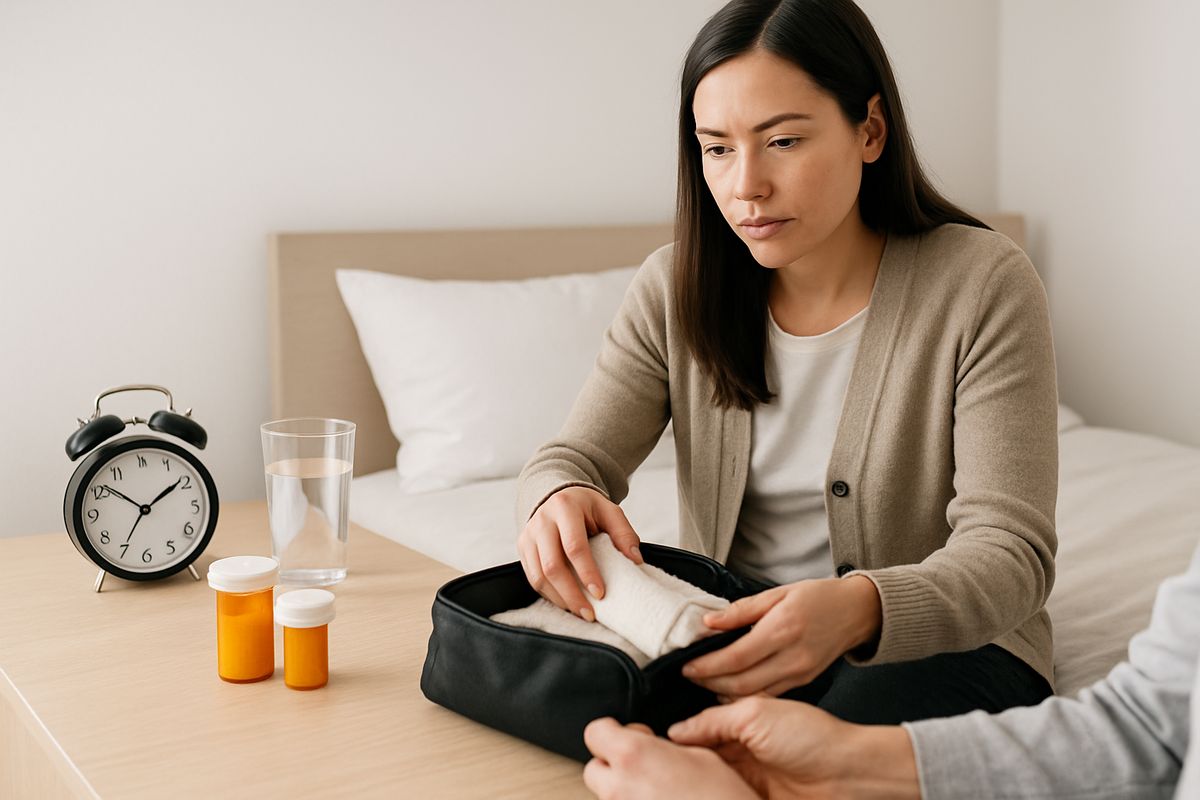
After detox, the next step should match your actual risk, not your ideal version of yourself. That means looking at relapse history, mental health symptoms, overdose or seizure history, housing stability, work demands, motivation, and what happens when you are stressed.
- Review the detox team’s level-of-care recommendation.
- Compare that recommendation to your home environment and relapse history.
- Consider how much structure you realistically need, not how little you hope to get away with.
- Schedule admission or an assessment immediately.
In general, moderate to severe addiction usually needs structured inpatient or residential treatment after detox. Outpatient care can work well for some people, but it is often chosen for convenience when the clinical picture points to more support.
Residential or inpatient treatment
Residential or inpatient treatment makes the most sense when relapse risk is high, the home environment is unstable, co-occurring mental health symptoms are active, or there have been repeated failed attempts to quit. It gives you distance from triggers, daily routine, medical and clinical oversight, and fewer chances to negotiate with cravings.
That structure is not a punishment. Honestly, for many people it is a relief. You do not have to white-knuckle every hour while still managing work stress, relationship conflict, and easy access to substances.
The research backs this up. One treatment outcomes article reports that short-term detox alone rarely provides long-term recovery, while longer stays of 90+ days are linked with the most sustainable outcomes after detox. If you want a clearer picture of what daily life in residential care actually looks like, it helps to understand the routine before you decide.
Partial hospitalization and intensive outpatient care
PHP, or partial hospitalization, is a full-day treatment model that lets you return home or to sober housing at night. IOP, or intensive outpatient, usually involves several treatment sessions each week for fewer hours than PHP. Both can be strong options when you are medically stable and have a supportive place to live.
The difference comes down to structure. PHP is closer to a full-time recovery schedule. IOP offers more flexibility, but it also leaves more open hours, which can be either helpful or risky depending on your situation.
If work or family obligations are driving your decision, be careful not to confuse availability with readiness. A flexible schedule only helps if your environment supports sobriety and you can actually engage.
Outpatient care and recovery housing
Standard outpatient treatment may be appropriate if symptoms are less severe, relapse risk is lower, and you have a stable, substance-free environment. It works best for people who can follow through consistently without a lot of external structure.
Recovery housing or sober living can fill a major gap here. If home is not safe, but full residential treatment is not the current recommendation, sober living may provide the accountability and separation you need. Environment shapes outcomes more than people like to admit. Motivation matters, but where you sleep, who you see, and what is around you every day matter too.

Step 3: Build a treatment plan that goes beyond not using
A good post-detox treatment plan does more than aim for abstinence. It should address the stress, habits, mental health symptoms, trauma, relationship patterns, and daily routines that keep substance use going.
- Make sure your treatment plan includes therapy, not just monitoring.
- Add mental health assessment early.
- Include medical or psychiatric follow-up if symptoms point that way.
- Plan for at least 90 days of structured support in some form.
That longer view matters. Across treatment sources, longer engagement consistently outperforms detox alone. Outcome tracking is also getting more sophisticated. The NAATP Outcome Pilot Program follows patients at intake and then at 1, 3, 6, 9, and 12 months after treatment begins, measuring substance use, family and social support, and mental health. That tells you something important: real recovery is measured over time, not at discharge.
Treat co-occurring mental health conditions at the same time
Anxiety, depression, trauma, burnout, and mood symptoms are not side issues. They often sit right in the center of the addiction picture. If they are ignored, the risk of relapse usually climbs.
This is also common, not unusual. About 21.2 million adults had co-occurring mental illness and substance use disorder in the 2024 NSDUH according to the research summary provided, and one cited article reports that 55.8% of the 48.7 million U.S. adults with a substance use disorder also had a mental illness in the 2023 NSDUH. So if your anxiety got worse as your drinking or drug use worsened, you are not some special exception. You need integrated care.
Use therapies that teach real relapse-prevention skills
Therapy after detox should give you skills you can use on a Tuesday afternoon, not just insight you nod along with. CBT helps you catch the thoughts and situations that lead toward use. DBT builds distress tolerance and emotion regulation. Motivational interviewing strengthens follow-through when part of you still wants out. Trauma-informed counseling helps when substance use has been tied to survival, not just habit.
There is good support for this approach. Research reviews found that evidence-based behavioral treatment after detox, including CBT and ACT, can improve substance use outcomes. In daily life, that means better tools for noticing triggers, tolerating urges, and rebuilding routines before stress takes over.
Include medical and psychiatric follow-up when needed
Recovery is healthcare. If you need medication management, psychiatric evaluation, sleep treatment, or monitoring for cravings and mood changes, build that into the plan. Do not treat it like extra credit.
This matters especially if you are dealing with insomnia, panic, depression, or strong ongoing cravings. Medical follow-up can reduce risk, improve comfort, and keep small problems from turning into a relapse.
Step 4: Create a relapse-prevention plan you can actually use
A relapse-prevention plan should be simple enough to use under stress. If it is too vague, too long, or too idealistic, it will not help when a craving hits.
- Write down your top triggers.
- List your early warning signs.
- Identify three people you can contact.
- Choose two places you can go instead of using.
- Decide what happens if a lapse occurs.
Checkpoint: if your plan fits on one page and you can explain it in under two minutes, it is probably practical enough.
Map your triggers, warning signs, and high-risk situations
Look at external triggers first: certain people, neighborhoods, bars, paydays, hotel stays, arguments, loneliness at night, or unstructured weekends. Then look at internal warning signs: poor sleep, isolation, irritability, self-pity, boredom, racing thoughts, or the classic lie that one time will not matter.
Write them down. Patterns become easier to interrupt once you stop pretending they are random.
Write a response plan for cravings
Cravings usually rise and fall. They feel permanent in the moment, but they are not. Your job is to get through the first 20 minutes without making the craving bigger.
Write out the response in plain language: call this person, leave this location, drink water, eat something, take a short walk, breathe slowly for five minutes, go to a meeting, text your therapist, get around safe people. Keep the steps basic and visible.
A helpful addition here is body regulation. Research suggests slow-paced breathing can improve autonomic regulation and stress recovery capacity, which is a very clinical way of saying your body can come down from the edge faster.
Plan for a lapse without turning it into a spiral
A lapse is not a reason to disappear. It is a reason to act quickly. Contact your provider, sponsor, therapist, or treatment team the same day. Figure out what triggered it, whether your level of care is still enough, and what needs to change immediately.
This view is supported across recovery literature. One source explains that relapse should be understood as part of the chronic disease cycle rather than failure, and each treatment attempt increases long-term success likelihood. Shame delays help. Fast adjustment protects recovery.

Step 5: Add recovery supports that make treatment stick
Formal treatment is only part of what keeps recovery going. The hours between sessions matter just as much. Community, routine, and accountability help new habits survive real life.
- Pick at least one peer support option.
- Decide how family will be involved.
- Choose housing that supports sobriety.
- Build regular check-ins into your week.
Peer support, group meetings, and recovery communities
There is no single right format here. Some people connect with 12-step groups. Others prefer SMART Recovery, alumni groups, or smaller peer communities. The best support is the one you will actually use consistently.
That consistency matters. One article reports that participation in aftercare such as sober living, alumni programs, or continued therapy can increase the likelihood of success by up to 60%. Not magic, just repetition and support.
Family involvement that helps instead of harms
Family support works best when it becomes calmer and clearer, not more controlling. Family therapy and education can help everyone understand triggers, boundaries, enabling, and communication patterns that keep the cycle going.
Support does not mean covering for missed work, handing over money with no plan, or trying to police sobriety 24 hours a day. It means supporting treatment, telling the truth, and reducing the chaos around recovery.
Sober living, daily structure, and accountability
If your home is not stable or substance-free, this part matters a lot. Sober living, check-ins, curfews, house expectations, and daily routines can reduce decision fatigue and lower exposure to triggers.
That may sound basic, but basic is good in early recovery. Comparing outpatient flexibility with more structured care often comes down to one honest question: does your current environment support sobriety, or fight it every day?
Step 6: Regulate stress so your nervous system is not working against you
Stress is not just uncomfortable after detox. It can directly raise craving and relapse risk. That link is biological, not a character flaw. One review describes a disrupted stress response as a feed-forward loop that can increase compulsive use and treatment failure risk.
Good news, you do not need an elaborate wellness routine to start helping your nervous system settle. Small, repeatable tools work better than ambitious plans you abandon in three days.
Use simple body-based tools during cravings and anxiety
Start with the basics: slow breathing, grounding, a short walk, hydration, regular food, and protecting your sleep window. These are not minor things. They lower the physical stress load that often gets mistaken for an irresistible urge to use.
Try inhaling for four seconds and exhaling for six seconds for five minutes. Put your feet on the floor. Name five things you can see. Step outside. Eat something with protein. Simple works.
Consider structured mind-body supports
Some people benefit from more formal mind-body practices. The evidence here is growing, though it is still evolving. A late 2025 JAMA Psychiatry trial found wearable heart rate variability biofeedback was associated with reduced negative affect, craving, and alcohol or other drug use. A January 2026 randomized trial found that adding yoga to standard opioid withdrawal treatment improved withdrawal recovery, autonomic regulation, anxiety, sleep, and pain.
Tai Chi and Qigong also show some promise for anxiety, depression, and craving in addiction settings, though study quality varies. The balanced view is the right one: these can support treatment, not replace it.
Protect sleep, nutrition, and movement early on
Sleep disruption is common after detox, and it is not just annoying. Research suggests sleep problems in early alcohol recovery may independently increase relapse risk. That makes sleep protection part of relapse prevention, not a side project.
Expect appetite changes, low energy, mood swings, and irritability in the early weeks. Keep meals regular. Move your body gently. Aim for consistency instead of intensity. Recovery goes better when your body is not running on fumes.
Step 7: Plan your life around recovery before old patterns take over
One of the biggest mistakes after detox is trying to snap straight back into normal life. Work, school, social obligations, and family demands can fill every open space unless you make decisions ahead of time.
- Decide what can wait for two to four weeks.
- Delegate what someone else can handle.
- Protect treatment time on your calendar.
- Set boundaries with people tied to past use.
Decide what to pause, delegate, or disclose
You do not need to tell everyone everything. In many cases, a brief medical explanation to a trusted HR contact, professor, or family member is enough. Privacy matters, and so does giving yourself room to recover.
If you need time away, make the plan before the pressure hits. One article notes that handling work, family, and responsibilities before rehab is an important part of the transition into treatment. Loose ends create excuses. Closing them reduces friction.
Rebuild routines that support sobriety
Put recovery on the calendar before other demands crowd it out. Schedule therapy, psychiatry, support meetings, meals, exercise, sleep, and downtime. Treat these like appointments, not good intentions.
Structure lowers stress. It also cuts down on idle time, which is often where urges grow.
Choose who gets access to you during early recovery
Some people need temporary distance from entire friend groups, not because those people are evil, but because the relationship has been built around using. Limit access where needed. Silence some numbers. Skip some invitations. Keep your world smaller for a while if that helps.
That is not disappearing from life. It is protecting the version of life you are trying to build.
Step 8: Stay engaged in aftercare for longer than feels necessary
Most people underestimate how long support needs to stay in place. The body may stabilize faster than thinking, coping, relationships, and habits do. That is why aftercare matters so much.
- Plan for ongoing support after primary treatment ends.
- Expect your needs to change over time.
- Stay connected even when things start feeling better.
- Step care up early if warning signs return.
What aftercare usually includes
Aftercare may include individual therapy, group therapy, alumni check-ins, medication follow-up, peer support meetings, recovery coaching, relapse reviews, and regular contact with a treatment team. It is a system, not a single service.
That wider view matches current outcomes thinking. One article explains that recovery after detox is not defined only by abstinence, but also by mental health stability, repaired relationships, work or education progress, and sustained connection to support systems.
How long aftercare should last
Think in months, not weeks. Many programs recommend at least a year of some form of continuing support, with intensity tapering over time. That does not mean a year of full-day treatment. It means staying connected long enough for sobriety to become part of real life.
This longer horizon shows up repeatedly in treatment guidance. One source recommends a clear aftercare program of at least 12 months when evaluating treatment providers. Another notes that longer treatment durations are linked to better outcomes.
When to step care up again
Do not wait for a full relapse to act. If cravings are returning often, you are missing sessions, mood is dropping, sleep is getting worse, or you are drifting back toward old environments, your current plan may no longer be enough.
Stepping up care can mean adding more therapy, moving from outpatient to IOP or PHP, entering sober living, or returning to residential treatment. Acting early usually prevents a bigger collapse later.

Common problems after detox, and how to handle them
A lot of people hit the same rough spots after detox. That does not mean your recovery is off track. It means you are in a phase that needs adjustment and support.
“I feel physically better, so maybe I do not need treatment”
Feeling better is not the same as being stable in recovery. Detox clears substances and manages withdrawal. It does not automatically change cravings, coping patterns, trauma responses, or the environment waiting for you outside.
This is exactly why detox is only the first step in recovery, and patients should transition into structured treatment such as inpatient or outpatient care. Physical relief can be misleading.
“I cannot leave work or family for treatment”
Sometimes that is true. Sometimes it is fear talking. There may be more options than you think, including travel with planned leave, short-term residential care, PHP, IOP, telehealth components, or family-supported scheduling.
Still, if addiction is moderate to severe, choosing a lower level of care only because it is easier can backfire. A short disruption now is often less costly than repeated relapse later.
“My anxiety, depression, or sleep problems got worse”
This can happen after detox. Your nervous system is adjusting, sleep can be disrupted, and underlying mental health symptoms may become more obvious once substances are gone. The right response is reassessment, not self-medication.
Contact a licensed provider or treatment team quickly. You may need medication review, psychiatric support, different therapy, or a higher level of care.
“I slipped once, and now I think I failed”
You did not fail. You got information. Use it fast. What happened right before it? Were you alone, exhausted, angry, overconfident, or back in an old environment? Did you stop attending treatment or support groups?
A lapse should trigger a stronger plan, not a shame spiral. That is how long-term recovery is protected.
What progress usually looks like in the first 30, 60, and 90 days
Recovery after detox rarely feels dramatic day by day. It tends to become visible in patterns. Better sleep. Fewer lies. More stable mood. Fewer crises. More follow-through.
Days 1 to 30
The first month is mostly about safety, structure, cravings, and showing up. You may still feel tired, anxious, irritable, or emotionally flat. That is common.
Early wins often look small: making it to treatment every day, taking medications correctly, sleeping a little better, eating more regularly, and not isolating. Those are real signs of progress.
Days 31 to 60
Mental clarity often starts improving here. Routines feel less forced. Cravings may be less constant, though they can still spike hard under stress. Confidence usually rises too, which is both encouraging and risky.
This is when many people start thinking they can loosen the plan. Usually, they should not. Keep support high while life is getting easier.
Days 61 to 90 and beyond
By this point, recovery may start to feel more like a lifestyle than a crisis response. Sleep, mood, work performance, and relationships may improve more noticeably. Habits begin to stick.
But recovery is still active work. The people who do well long term usually keep using support well after they feel better. They do not graduate from structure too early.
Your next move after detox
The best next step after detox is not to wait and see. Confirm the clinical recommendation, verify your insurance, choose the level of care that actually matches your risk, and schedule the assessment or admission as soon as possible. If the picture points to structured inpatient care, trust that signal. Detox got you through the door. Continued care is what helps you stay on the other side of it.
References
- thevillatreatmentcenter.com
- recreateohio.com
- ranchhouserecovery.com
- naatp.org
- pmc.ncbi.nlm.nih.gov
- sciencedirect.com
- topoftheworldranch.com
- jamanetwork.com
- rehabsuk.com
- integrishealth.org