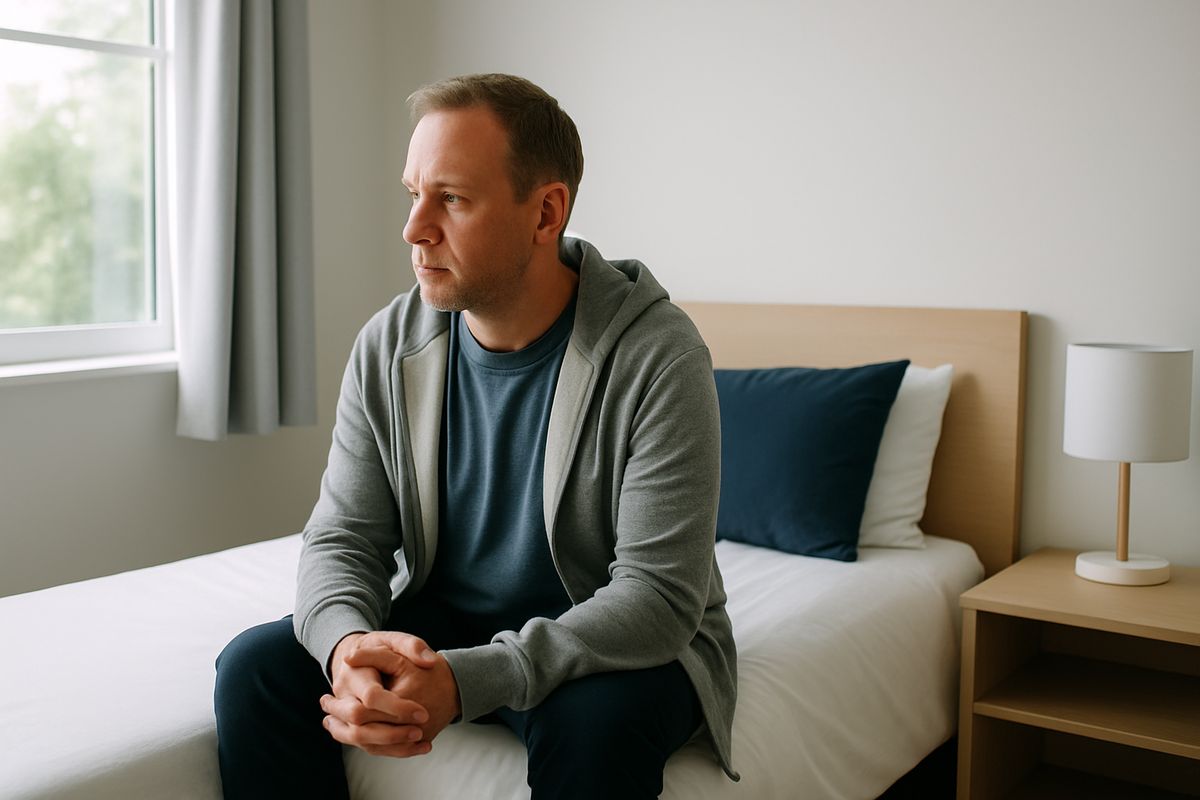
Choosing residential rehab can feel like choosing to press pause on real life, and that’s exactly why so many people hesitate. But when home has become part of the problem, living on-site is often what gives treatment a real chance to work. This guide breaks down when residential rehab is worth the cost and disruption, what daily life actually looks like, and how to compare programs without getting distracted by glossy marketing.
Why living on-site can be a turning point
The core question is simple: is living at a treatment center really worth it? Sometimes yes, very much so. If cravings hit hardest in your usual environment, if your routine is built around drinking or drug use, or if withdrawal and mental health symptoms make quitting risky, stepping out of that setting can change the entire picture.
Residential care works by removing friction from recovery. You are not trying to get sober while still passing the liquor store, answering work stress at midnight, hiding symptoms from family, or negotiating with yourself every hour. You have structure, staff support, and a treatment plan around you all day.
The evidence is not perfect, but it is meaningful. A 2019 review of 23 studies found moderate-quality evidence that residential treatment improves substance use and broader life outcomes. That matters. It does not mean residential is always the best choice, but it does mean living on-site is more than a last-resort idea. For many people, it is the level of care that finally matches the seriousness of what they’re dealing with.
Good news, this decision does not have to be based on fear. It can be based on fit.
What residential rehab actually means day to day
Residential rehab means you live at the treatment facility in a substance-free setting while receiving structured care. In plain language, it is a live-in program built to stabilize you, interrupt the cycle of use, and help you build the skills to stay well after discharge.
Day to day, most programs follow a schedule. Mornings may start with check-ins, medication, or goal setting. The day usually includes individual therapy, group sessions, education on relapse prevention, and time for meals, rest, and peer connection. Some programs add fitness, mindfulness, family work, or trauma-focused therapy.
According to one treatment overview, residential substance use care is delivered in a 24-hour, drug- and alcohol-free setting that combines therapy, peer support, and reintegration planning. That description is useful because it gets past the vague sales language. You are not just “staying somewhere.” You are entering a clinical environment with a purpose.
What you get with 24-hour care
The biggest advantage of 24-hour care is not luxury. It is coverage.
If detox is needed, some programs can manage it on-site or coordinate it as the first phase of treatment. If psychiatric symptoms show up, there is clinical staff to respond. If sleep is poor, cravings spike, or medication needs adjustment, you are not waiting a week for the next appointment. That can make early recovery much safer and more doable. For a closer look at how withdrawal support fits into treatment, it helps to understand when detox and rehab need to work together.
Most centers also provide meals, routines, transportation coordination, therapeutic programming, and ongoing observation. That sounds basic, but honestly, basics matter. Eating regularly, sleeping on a schedule, and staying away from substances for long enough to think clearly again is often the first real win.
Services vary, though. Some centers have full medical detox and psychiatric support. Others do not. That is why the details matter more than the label.
How residential care differs from outpatient treatment
The tradeoff is straightforward. Residential gives you more structure, more separation from triggers, and more supervision. Outpatient gives you more flexibility to keep working, stay in school, or remain at home with family.
Both can be valid. In fact, the market is moving toward lower-intensity options in many cases. One industry report notes that outpatient rehabilitation centers held about 39% of market share in 2024, with demand shifting toward less expensive outpatient care. Telehealth has also expanded quickly.
Still, higher-acuity addiction usually needs more than convenience. If someone is medically unstable, relapsing repeatedly, using multiple substances, or dealing with serious depression, trauma, or anxiety at the same time, residential care often fits better than trying to recover around daily chaos.

When residential rehab is usually worth considering
Residential treatment is not automatically “better.” It is better when the situation calls for a higher level of support.
That usually means the addiction is severe, complicated, or risky. Maybe there have been repeated relapses after outpatient treatment. Maybe the person cannot stay sober in their current environment for even a few days. Maybe withdrawal could be dangerous. Maybe substance use is tangled up with panic, trauma, burnout, or suicidal thinking. In those cases, living on-site is not overkill. It is a safer match.
Signs you may need more structure than outpatient can provide
A good way to think about this is acuity, meaning how intense and complex the situation has become. Higher acuity usually points toward residential care.
Signs include relapse after prior treatment, strong cravings that derail daily functioning, an unsafe or unstable home environment, polysubstance use, untreated mental health symptoms, or concern about withdrawal complications. If your current life setup keeps feeding the problem, more appointments alone may not be enough. A clearer overview of these levels can help when you are comparing which kind of care fits your situation.
Another practical sign is simple: you have tried to stop and could not stay stopped. Not because you failed, but because the level of support was too low for what you were carrying.
When outpatient may be enough, or a better starting point
A balanced view matters here. Some people do well in outpatient treatment, especially if they have stable housing, low medical risk, strong support at home, reliable transportation, and the ability to attend care consistently.
If withdrawal risk is low, mental health is fairly stable, and there is no high-risk environment pushing relapse, outpatient or intensive outpatient may be enough. That can be especially appealing if work or caregiving makes a live-in stay hard to manage.
The point is not to choose the most intensive option by default. The point is to choose the option that gives you the best odds of actually getting better.
The real factors that decide whether a program works
A person can spend 30 days in a beautiful facility and leave unchanged. Another can spend the same time in a clinically strong program with excellent follow-up and build real momentum. So the better question is not just whether residential rehab works. It is what makes a residential program worth choosing.
Quality, fit, and continuity matter more than the bed itself.
Length of stay, and why longer often works better
Residential stays vary a lot. Some programs are 28 days. Others last 60, 90, or even several months. The right length depends on the person, but shorter is not automatically better just because it is easier to schedule.
One recent treatment analysis says residential stays of 90 days or more are associated with the most sustainable recovery outcomes. That lines up with what many clinicians see in practice. Detox and initial stabilization are only the beginning. It takes time to work on thinking patterns, trauma, relapse triggers, and lifestyle change.
A 28-day stay can be a strong start. It is often not the whole job.
Dual-diagnosis treatment should not be optional
Many people seeking treatment are not only dealing with substance use. They are also dealing with anxiety, depression, trauma, insomnia, grief, or emotional exhaustion. If a program treats only the addiction and ignores the rest, it leaves a huge part of the problem untouched.
The research points in the same direction. The systematic review concluded that best-practice residential rehabilitation should integrate mental health treatment with substance use care. Some industry reporting goes further, noting that treating both together may improve outcomes substantially.
That means psychiatric assessment, medication management when appropriate, and therapy that addresses the reasons substance use took hold in the first place. If a center cannot explain how it handles dual diagnosis, keep looking.
Aftercare is where many good programs separate themselves
Discharge is not the finish line. It is the handoff.
The strongest residential programs plan what happens next before treatment ends. That might include PHP, IOP, weekly therapy, medication management, recovery coaching, telehealth check-ins, alumni support, or sober living. One article summarizing current studies says aftercare can increase the likelihood of success by up to 60%. Even if that number varies by study, the larger point is hard to argue with: people do better when support continues.
If you are sorting through options, focus on how a center handles treatment from detox through ongoing care. A program without a clear next-step plan is taking too narrow a view of recovery.
How to compare residential rehab centers like a careful buyer
High-intent decisions get made fast in this space. A family is worried. A bed may be available today. Emotions run high. That is exactly when buyers need a filter.
Start with clinical credibility. Look for accreditation, licensed staff, psychiatric access, and a clear description of therapies used. Ask how often clients meet with individual therapists, how family involvement works, and what the average stay actually looks like. If detox is needed, ask whether it is on-site and medically supervised.
Privacy matters too, especially for professionals, executives, students, or anyone with public visibility. A center should be able to explain how it protects confidentiality, manages communication, and handles outside obligations during treatment.
Questions to ask before you verify insurance or reserve a bed
These questions cut through vague answers quickly:
- Is the program accredited?
- Are medical and psychiatric providers on staff?
- Can you manage detox on-site?
- How often is individual therapy provided?
- How do you treat co-occurring mental health issues?
- What is your usual length of stay?
- How do you handle discharge planning?
- What happens after a relapse?
- How are families involved?
- How do you protect privacy and discretion?
If answers are fuzzy, that tells you something.
How to read outcomes claims without getting misled
“Success rates” are one of the easiest ways to get sold and one of the hardest things to compare fairly. The field still has a measurement problem. NAATP states that addiction treatment lacks a standardized system for measuring outcomes, which means two centers may use the same phrase while measuring totally different things.
Ask what they track, when they track it, and how many former clients they can actually reach for follow-up. Stronger programs tend to look beyond abstinence alone. They may measure mental health, work or school stability, housing, family connection, and continued engagement in care. Those are more honest markers of progress.

What private insurance usually covers, and what affects cost
For most families, cost is not a side issue. It is the issue.
With private PPO insurance, coverage for residential rehab usually depends on medical necessity, detox needs, diagnosis, length of stay, and whether the facility is in-network or out-of-network. Benefits can be good, but they are rarely simple. Verification matters because the same plan may cover one center very differently than another. If you want a clearer picture of benefits, start with what PPO coverage often includes for rehab services.
Common cost drivers beyond the headline price
The advertised rate is only part of the story. Final cost can shift based on room type, medical complexity, psychiatric care, medications, lab work, specialty therapies, travel, and extended treatment beyond the initial authorization period.
Sometimes a higher price reflects stronger clinical support. Sometimes it mostly reflects amenities. Those are not the same thing. A private room and ocean view may feel reassuring, but they do not replace daily therapy, medical oversight, or a serious discharge plan.
How to evaluate value, not just price
Value comes from clinical intensity, staff quality, dual-diagnosis capability, and continuity after discharge. The cheapest option can end up being the most expensive if it leads to another relapse, another detox, or another emergency.
A better frame is risk reduction. Are you paying for better medical coverage, better psychiatric support, better relapse planning, and better follow-through? If yes, paying more may be justified. If not, you may just be paying for comfort.
Mistakes families make when choosing a residential program
Most families are making this decision while scared and under time pressure. Mistakes happen. The goal is not perfection. It is avoiding the expensive ones.
Choosing based on amenities instead of clinical fit
A polished website, beautiful property, chef-prepared meals, and upscale rooms can all be nice. None of them tell you whether the program can treat withdrawal safely, manage psychiatric symptoms, or provide enough therapy to make the stay count.
This matters a lot in premium markets, where luxury can overshadow substance. If the clinical side is thin, the environment will not rescue the outcome.
Ignoring the home environment after discharge
A strong inpatient stay can unravel fast when someone goes right back into the same stress, access, conflict, or enabling that fed the addiction before treatment. That is why continuity of care keeps showing up in the research. The review on residential treatment specifically recommends continuity of care after discharge as part of effective rehab.
Families should think ahead about sober supports, boundaries, housing, transportation, work re-entry, and follow-up appointments. The handoff home deserves as much attention as the admission.
So, is living on-site worth it for you or your loved one?
Residential rehab is often worth it when safety, structure, distance from triggers, and integrated mental health care are not optional. It tends to make the most sense for higher-acuity situations, repeated relapse, risky withdrawal, or home environments that keep recovery from getting traction.
The best choice, though, is not simply “inpatient versus outpatient.” It is the program that matches the person, works with private insurance as clearly as possible, and has a real plan for what happens after discharge. Verify benefits, ask direct outcome-focused questions, and choose the center that offers clinical depth, not just a convincing sales pitch.
References
- sciencedirect.com
- finance.yahoo.com
- ranchhouserecovery.com
- naatp.org